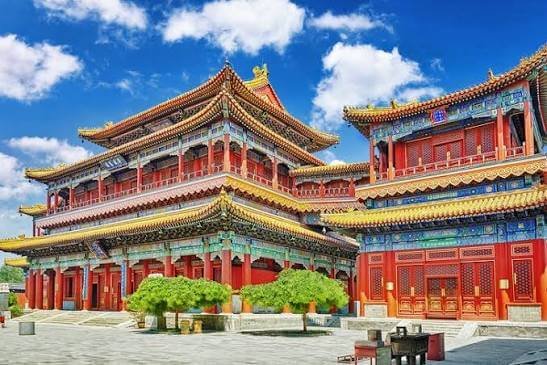
Beijing is a vibrant and culturally rich city that offers endless opportunities for tourists to explore. From the iconic Great Wall of China to the historic Forbidden City, visitors can immerse themselves in the rich history and heritage of China’s capital. Walking through the bustling streets of Beijing, tourists can indulge in a variety of local cuisines, shop for souvenirs at the bustling markets, or simply soak in the sights and sounds of this bustling metropolis. With its modern skyscrapers juxtaposed against ancient temples and palaces, Beijing is a city of contrasts that never fails to enchant its visitors.
Cathay Pacific provides a flight service from Kuala Lumpur To Beijing making it easy for tourists to reach this iconic destination. Once in Beijing, visitors can take advantage of the city’s efficient public transportation system to explore its many attractions, including the stunning Summer Palace, the vibrant hutongs, and the serene Temple of Heaven. Whether indulging in a traditional Chinese tea ceremony, taking a leisurely stroll through the peaceful parks, or marveling at the intricate architecture of the Temple of Confucius, visitors to Beijing are sure to have a memorable and enriching experience. With its blend of ancient traditions and modern innovations, Beijing offers a unique and unforgettable travel experience that will leave tourists wanting to come back for more.
Summer Palace
The Summer Palace in Beijing is a magnificent retreat that showcases the grandeur and beauty of traditional Chinese architecture and design. This UNESCO World Heritage Site is a sprawling complex of gardens, pavilions, lakes, and temples that once served as the imperial summer residence for emperors of the Qing Dynasty. Visitors can wander through the meticulously landscaped grounds, admiring the ornate buildings and stunning scenery that have inspired poets, artists, and tourists for centuries.
One of the most iconic features of the Summer Palace is the Longevity Hill, a man-made mountain that offers panoramic views of Kunming Lake and the surrounding gardens. Climbing to the top of the hill allows visitors to appreciate the intricate details of the pavilions and temples that dot the landscape, as well as the tranquility of the waterways that wind their way through the grounds. Exploring the different sections of the Summer Palace, such as the Hall of Benevolence and Longevity and the Marble Boat, provides a glimpse into the opulent lifestyle enjoyed by the imperial family during the summer months.
The Summer Palace is not just a historical attraction, but also a popular spot for locals and tourists alike to relax and unwind in the midst of nature. Visitors can take a leisurely boat ride on Kunming Lake, stroll through the lush gardens, or enjoy a traditional Chinese tea ceremony in one of the many pavilions scattered throughout the grounds. In the summertime, the Palace comes alive with vibrant colors and fragrant blooms, creating a serene and idyllic oasis in the heart of bustling Beijing.
Whether you are a history buff, nature lover, or simply looking for a peaceful escape from the city, the Summer Palace offers something for everyone. With its rich history, stunning architecture, and picturesque setting, it is no wonder that the Summer Palace remains one of Beijing’s most popular and beloved attractions. A visit to this enchanting retreat is sure to leave you in awe of China’s rich cultural heritage and natural beauty.
Jingshan Park
Jingshan Park, also known as Jingshan Hill, is a historic imperial garden located in the heart of Beijing, China. With its picturesque scenery and rich cultural heritage, the park is a popular destination for tourists and locals alike. The park offers a peaceful escape from the bustling city streets, as visitors can meander through lush gardens, admire ancient architecture, and take in stunning panoramic views of Beijing’s iconic landmarks.
One of the highlights of Jingshan Park is the famous Wanchun Pavilion, a traditional Chinese pavilion perched atop the highest point of the hill. From this vantage point, visitors can enjoy sweeping views of the Forbidden City, Tiananmen Square, and the city skyline. The pavilion is a popular spot for photographers, artists, and romantics seeking a serene place to enjoy the beauty of nature and the city below.
In addition to its natural beauty, Jingshan Park is steeped in history and culture. Originally built in the 12th century during the Jin Dynasty, the park has served as an imperial garden, a private retreat for emperors, and a public park for the people of Beijing. The park’s ancient trees, winding pathways, and historic structures provide a glimpse into China’s storied past and offer visitors a chance to connect with the country’s rich cultural heritage.
Visitors to Jingshan Park can also participate in traditional Chinese activities such as tai chi, calligraphy, and traditional Chinese painting. The park’s serene atmosphere and stunning surroundings make it the perfect place to unwind, relax, and immerse oneself in the beauty and history of China. Whether exploring the park’s winding pathways, marveling at its ancient architecture, or simply enjoying the peaceful surroundings, a visit to Jingshan Park is sure to be a memorable experience for all who wander its hallowed grounds.
Ming Tombs
“”Ming Tombs, also known as the Thirteen Tombs of the Ming Dynasty, are a collection of mausoleums located near Beijing, China. These tombs serve as the final resting places of 13 of the 16 emperors of the Ming Dynasty, as well as their empresses and concubines. They were built over a period of nearly 200 years, from the early 15th century to the mid-17th century, and are now a UNESCO World Heritage Site.
One of the highlights of the Ming Tombs is the Changling Tomb, which houses the remains of Emperor Yongle, the third emperor of the Ming Dynasty. The largest and most well-preserved of the tombs, Changling is an impressive example of Ming architecture, with its grand entrance gate, spacious courtyard, and intricately designed interior. Visitors can explore the tomb and learn more about the life and reign of Emperor Yongle.
Another highlight of the Ming Tombs is the Dingling Tomb, the only tomb that has been fully excavated and open to the public. The tomb of Emperor Wanli and his two empresses, Dingling is an underground palace that reveals the grandeur and craftsmanship of Ming tomb architecture. Visitors can descend into the tomb and see the ornate thrones, decorated ceilings, and other artifacts that have been unearthed.
In addition to the individual tombs, the Ming Tombs also feature a Sacred Way, a tree-lined avenue that leads to the tombs and is flanked by statues of animal and human figures. The Sacred Way is believed to serve as a spiritual pathway for the deceased emperors to travel to the afterlife, and its serene beauty adds to the overall atmosphere of the Ming Tombs.
Overall, the Ming Tombs are a fascinating and important historical site that offers visitors a glimpse into the lives and legacies of the Ming emperors. With their grand architecture, intricate design, and cultural significance, the Ming Tombs are a must-see destination for anyone interested in Chinese history and culture.””