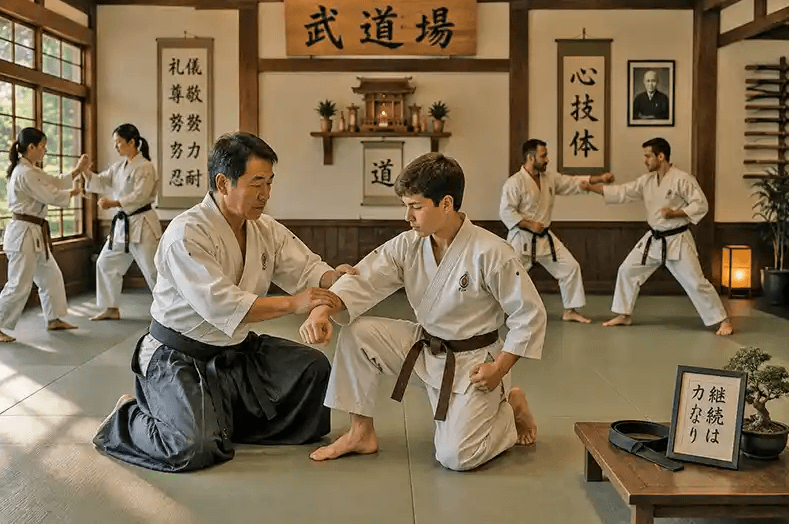
Traditional forms of self-defense are more than just a way to move your body or get a new belt. They give people a place to learn patience and respect in a clear way. People practice skills that help in many moments in life. With practice, you get better at moving and thinking. You also learn to stay calm when things get hard. A new student may want to feel better about themself. A person who has practiced for some time may want to get better at what they already know. No matter where you start, self-defense practice can help you grow as a person at any age.
Developing Mental Strength Through Consistent Practice
Training in martial arts asks students to listen, follow what is told, remember steps, and do each one right. At Florida Karate Academy, karate classes help students build good habits for life. This comes by joining practice often and learning one step at a time.
Each class is made to help students pay attention and handle their feelings. The teachers show students that they get better by practicing, listening to good advice, and being open to fixing mistakes. The things they learn in these classes can be used at school, at work, and with people around them. It teaches patience and helps them focus in most parts of their day.
There are many good things to know about traditional forms of self-defense.
- Improved concentration: Learning how the moves fit together and listening to the teacher helps students be more focused.
- Better self-control: Sticking to practice shows how training is about doing the same thing again and again. It helps students set goals they can reach.
- Feeling stronger about themselves: Learning moves students have not seen before lets them see what they can do. This helps them feel good about what they have done.
- Respect for others: Working with a partner helps students work together, move with care, and think about what the other person needs.
- Better physical coordination: Doing stances, blocks, kicks, and changes again and again helps students with balance, how they move, and how they know their own bodies.
These good things come slowly as time goes on. If you go often and practice at a pace that fits you, you will get better at your skills. This way, you do not feel too much pressure on yourself.
Connecting Physical Techniques with Practical Self-Defense
Traditional karate uses slow and careful moves. You practice to be in the right spot so you can stay safe. You learn how far you should stand from another person. In class, students practice keeping their balance. They work on how to protect themselves. They practice how to respond when there is trouble in a safe place, with teachers watching. But good self-defense is more than just this. It means you have to know when something feels wrong. You make rules, and you know when it is best to leave a place that is not safe.
There are many parts of training, and these help with real growth.
| Training component | Primary purpose | Everyday application |
| Stances and footwork | Improve balance and positioning | Move with greater stability |
| Blocks and defensive movements | Practice protective responses | Understand defensive options |
| Partner drills | Develop timing and control | Respond more thoughtfully under pressure |
| Forms and combinations | Strengthen memory and precision | Improve concentration |
| Controlled sparring | Apply techniques with supervision | Build composure in challenging situations |
Self-defense skills need practice and care. Training can help you be prepared, but nothing can keep you safe every time in real life.
See also: How to Think About Work-Life Fit When Choosing a Career
Turning Martial Arts Lessons into Lifelong Habits
The biggest changes can often be seen outside the training room. Kids may feel better about listening and working for what they want. Adults can use the training to push themselves, move more, and deal with stress every day.
Students can make the lessons better by setting goals that are real for them. They can practice basic movements when they are not in class. It also helps to look at how far they have come. Instructors help too. They change the exercises to match what students can do. They also work to make a respectful place to learn.
Conclusion
Traditional training in karate is good for fitness and for teaching how to keep going with things, be reliable, and know more about yourself. If you practice often, you can build strong movement skills. You also learn how to pay attention better and stay steady, which helps in life. If you or your family want to feel these benefits, Florida Karate Academy is the right place to start. You can learn how practicing karate helps you feel sure about yourself, stay safe, and grow as a person over time.