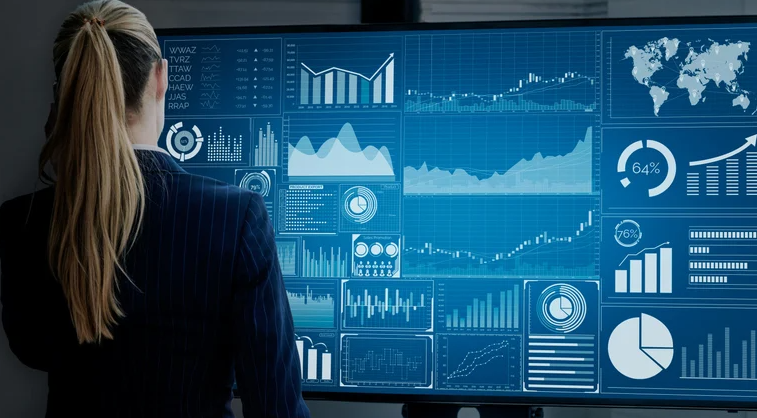
Technology plays a crucial role in enhancing data analysis and reporting. It streamlines data collection and integrates various sources, ensuring accuracy and consistency. Real-time analytics provide immediate insights, while advanced visualization techniques present data in comprehensible formats. Furthermore, predictive analytics harness historical data to forecast trends. These advancements not only facilitate informed decision-making but also raise questions about their implications for businesses navigating an increasingly complex environment. What challenges might arise in this evolving landscape?
Enhanced Data Collection and Integration
Enhanced data collection and integration serve as foundational pillars for effective data analysis in the modern technological landscape.
By utilizing diverse data sources, organizations can gather comprehensive insights. Integration tools facilitate the seamless merging of these data streams, ensuring consistency and accuracy.
This robust framework empowers analysts to explore complex datasets, ultimately fostering informed decision-making and promoting autonomy within data-driven environments.
See also: gazette-pmu2
Real-Time Analytics and Reporting
As organizations increasingly recognize the value of timely insights, real-time analytics and reporting have emerged as critical components in the data analysis landscape.
Real-time dashboards facilitate immediate data visualization, enabling stakeholders to make informed decisions swiftly.
Furthermore, instant feedback mechanisms enhance responsiveness, allowing organizations to adapt strategies on the fly, ultimately fostering a culture of agility and continuous improvement within the data-driven environment.
Advanced Data Visualization Techniques
While traditional data visualization methods provided foundational insights, advanced data visualization techniques have revolutionized the way complex data sets are interpreted and communicated.
Interactive dashboards enable users to engage with data dynamically, facilitating deeper understanding.
Furthermore, dynamic storytelling integrates narrative elements, guiding audiences through intricate analyses.
These innovations empower decision-makers to grasp trends and correlations swiftly, enhancing the overall effectiveness of data-driven strategies.
Predictive Analytics and Machine Learning
Predictive analytics and machine learning represent a transformative shift in the field of data analysis, enabling organizations to forecast future outcomes based on historical data patterns.
By employing predictive modeling techniques and sophisticated machine learning algorithms, businesses can identify trends, optimize decision-making processes, and enhance operational efficiency.
This advancement provides a strategic advantage, empowering organizations to navigate uncertainties with greater confidence and agility.
Conclusion
In conclusion, technology profoundly transforms data analysis and reporting, enabling organizations to harness diverse datasets for deeper insights. With real-time analytics and advanced visualization techniques, stakeholders can make informed decisions swiftly. Furthermore, predictive analytics empowers businesses to anticipate future trends with confidence. As organizations strive for a competitive edge, one must ask: how can they afford to operate without embracing these technological advancements? The answer lies in recognizing the imperative of a data-driven approach in today’s dynamic landscape.