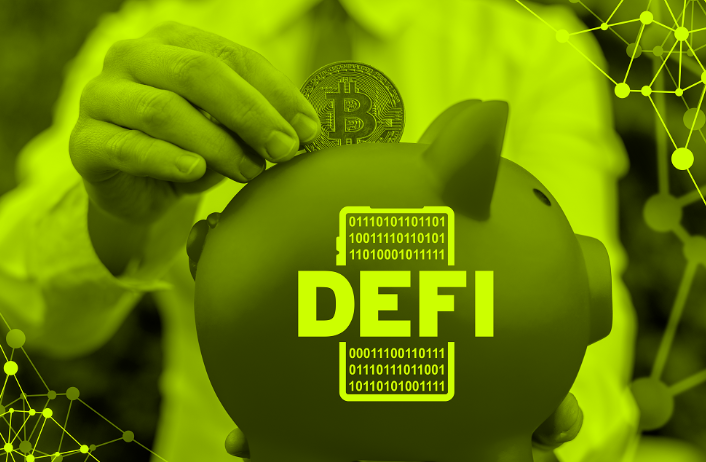
The rise of cryptocurrency has brought significant opportunities, but it has also attracted numerous scams. Phishing, Ponzi schemes, and fake exchanges are just a few tactics employed by fraudsters. Each scheme relies on exploiting emotions like greed and urgency. Understanding these scams is crucial for anyone involved in crypto. By recognizing key indicators and implementing protective measures, individuals can better safeguard their investments. However, the landscape is evolving, and new threats are emerging.
Phishing Scams: Recognizing and Avoiding Deceptive Emails
How can individuals safeguard themselves against the pervasive threat of phishing scams in the cryptocurrency realm?
By employing robust email security measures, such as scrutinizing sender addresses and avoiding suspicious links, users can mitigate risks.
Understanding common phishing techniques, like social engineering tactics, further enhances awareness.
Consistent vigilance and education are paramount in preserving personal assets and ensuring freedom from deceptive online threats.
See also: gazette-pmu2
Ponzi Schemes: Understanding the Red Flags
What indicators signal the presence of a Ponzi scheme in the cryptocurrency landscape?
A Ponzi structure often promises extraordinary returns with minimal risk, exploiting investor psychology.
Red flags include a lack of transparency, difficulty withdrawing funds, and reliance on new investors to pay returns.
Awareness of these signs is crucial for anyone seeking to navigate the digital financial realm without falling victim to scams.
Fake Exchanges: How to Identify Legitimate Platforms
In navigating the complex landscape of cryptocurrency, discerning the legitimacy of exchanges becomes paramount.
Users should prioritize exchange security by assessing the platform’s verification processes, including regulatory compliance and third-party audits.
An authentic exchange often showcases clear contact information, transparent fee structures, and strong user reviews.
Vigilance in identifying these traits can significantly mitigate the risks associated with fake exchanges.
Investment Scams: Spotting Promises of Guaranteed Returns
Investment scams often lure individuals with the enticing promise of guaranteed returns, raising significant red flags for potential investors.
Recognizing these warning signs is crucial, as they often indicate a lack of transparency and legitimacy in the investment opportunity.
Thorough research prior to any investment can help mitigate risks and protect individuals from financial loss.
Red Flags to Watch
While the allure of substantial profits can be enticing, the presence of guarantees in investment opportunities often signals a potential scam.
Red flag examples include promises of high returns with little risk, unsolicited offers, and pressure to invest quickly.
Effective scam detection involves skepticism towards such assurances, as legitimate investments do not guarantee profits, allowing individuals to remain vigilant against deceptive practices.
Research Before Investing
Before committing to any cryptocurrency venture, thorough research is essential to avoid falling victim to scams that promise guaranteed returns.
Investors must conduct comprehensive investment research and exercise due diligence to assess the legitimacy of opportunities.
Scrutinizing claims of returns that seem too good to be true is crucial, as genuine investments carry inherent risks rather than guarantees of profit.
Pump and Dump Schemes: The Dangers of FOMO
Pump and dump schemes exploit the phenomenon of Fear of Missing Out (FOMO) to manipulate investor behavior.
By artificially inflating the price of a cryptocurrency, scammers create urgency that drives uninformed investors to buy in at inflated prices.
Recognizing the psychological triggers of FOMO is essential for individuals to protect themselves from these deceptive practices.
Understanding Pump and Dump
Cryptocurrency markets are particularly susceptible to manipulation, with pump and dump schemes representing a notorious example of this vulnerability.
These schemes exploit pump mechanisms to artificially inflate asset prices, leveraging investor psychology that drives individuals to chase gains.
This creates a volatile environment where uninformed investors often suffer significant losses, highlighting the need for vigilance and understanding in navigating the crypto landscape.
Recognizing FOMO Triggers
Investor behavior in cryptocurrency markets is often driven by a phenomenon known as FOMO, or the fear of missing out.
This FOMO psychology exploits emotional triggers, compelling individuals to make impulsive investment decisions during market surges.
Recognizing these triggers is essential for avoiding pump and dump schemes, as they prey on the urgency created by FOMO, leading to significant financial losses.
Impersonation Scams: Protecting Yourself From Fraudulent Figures
Although the allure of digital currencies continues to attract a diverse range of individuals, the rise of impersonation scams poses a significant threat to their security.
These scams often employ social engineering tactics to deceive victims. To protect oneself, rigorous identity verification processes should be implemented, ensuring that communications originate from legitimate sources.
Awareness and caution are essential in navigating this treacherous landscape.
Malware and Ransomware: Safeguarding Your Devices
The rise of cryptocurrency has coincided with an increase in malware and ransomware threats targeting users’ devices.
Recognizing these threats is essential for effective prevention and safeguarding personal information.
Implementing robust security measures can significantly mitigate the risks associated with these malicious attacks.
Recognizing Malware Threats
Recognizing malware threats is crucial for maintaining the integrity of digital devices, especially in an era where cybercriminals increasingly deploy sophisticated techniques.
Various malware types, such as viruses, Trojans, and spyware, can compromise systems.
Effective malware detection is essential; users must employ reliable antivirus software and stay informed about emerging threats to safeguard their digital freedom and protect valuable assets from malicious attacks.
Ransomware Prevention Tips
While the threat of ransomware continues to escalate, implementing effective prevention strategies can significantly mitigate risks.
Understanding ransomware tactics is crucial; users should remain vigilant against phishing attempts and suspicious downloads.
Additionally, robust backup strategies are essential, ensuring that data is securely stored offline.
Regularly updating software further fortifies defenses, enabling users to maintain control over their digital environments and safeguard against potential attacks.
Secure Your Devices
Securing devices against malware and ransomware requires a multifaceted approach that encompasses both software and user behavior.
Implementing device encryption, utilizing robust antivirus software, and creating secure passwords are essential. Regular updates and firewall protection bolster defenses, while secure browsing habits further reduce risks.
Additionally, employing backup solutions and adjusting privacy settings can safeguard data integrity, ensuring greater freedom from threats.
Fake ICOs: Evaluating New Projects Carefully
As the cryptocurrency market continues to attract investors seeking innovative opportunities, the proliferation of fake Initial Coin Offerings (ICOs) poses a significant risk.
Evaluating project legitimacy is essential for determining investment viability. Investors should scrutinize whitepapers, assess team credentials, and seek independent reviews to avoid falling prey to scams. This ensures they make informed decisions in the dynamic and often deceptive crypto landscape.
Social Media Scams: Navigating Misinformation
How can investors protect themselves from the growing threat of social media scams in the cryptocurrency space?
Enhancing social media literacy is crucial. Investors should cultivate misinformation awareness by critically evaluating sources, cross-referencing information, and approaching sensational claims with skepticism.
Crypto Giveaway Scams: Recognizing Too-Good-To-Be-True Offers
What drives individuals to fall for crypto giveaway scams that promise extraordinary returns?
The allure of quick wealth, often bolstered by celebrity endorsements, clouds judgment regarding crypto project legitimacy.
These scams exploit the desire for financial freedom, presenting offers that are too good to be true.
Vigilance is essential; discerning genuine opportunities from deceptive schemes is crucial in navigating the crypto landscape.
Conclusion
In the ever-evolving landscape of cryptocurrency, vigilance is paramount. By recognizing phishing attempts, understanding Ponzi schemes, identifying legitimate exchanges, and spotting investment scams, individuals can safeguard their assets. By evaluating new projects critically, navigating social media with caution, and dismissing unrealistic giveaway offers, they can protect their financial future. Ultimately, education, awareness, and a proactive approach are essential in mitigating risks and ensuring a secure experience in the crypto realm.